


Tonk - Classic Tunk ZingPlay
4.4197.00 Reviews
App Specs
- Version
- 1.1
- Updated On
- License
- Free
- Downloads
- 10,000+
- Developer
- VNG ZingPlay Studio
- Categories
- Card
- Platform
- Android
Screenshots
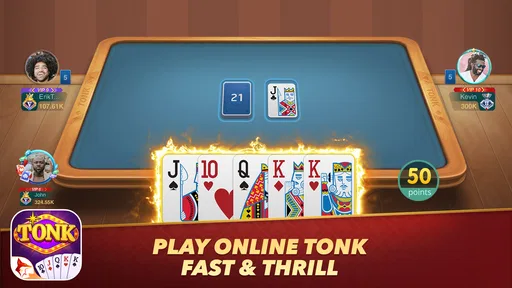
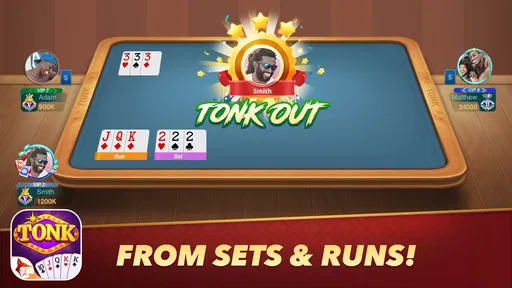
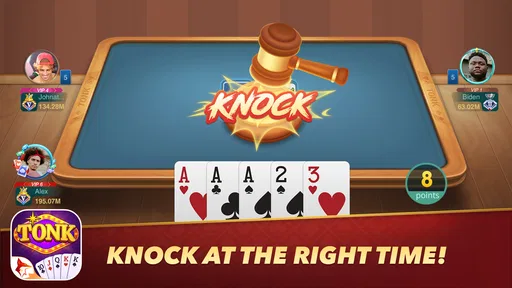

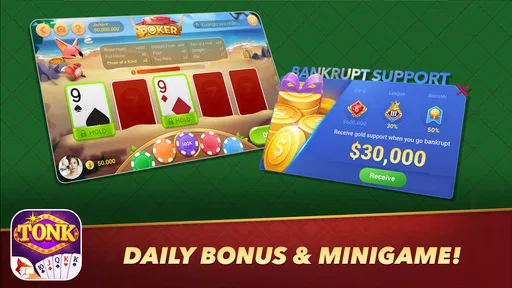
 Analysis by AppCompare
When I want a card game that gives me something to think about without asking for a long session, Tonk is an appealing choice. Tonk - Classic Tunk ZingPlay takes the familiar hand-management puzzle and puts it in a mobile format, where a few decisions can matter more than playing quickly. I find it most enjoyable when I treat each hand as a small exercise in tracking values and judging risk, rather than tapping through cards on autopilot.
That distinction matters because Tonk’s basic idea is easy to grasp, but the interesting part is deciding when to hold, when to discard, and whether the state of my hand is strong enough to act on. The game is free to download, though optional in-app purchases range from $0.99 to $199.99 per item. I’d approach any purchase as optional rather than necessary: the central appeal is the card play, and spending is not a substitute for learning to read a hand.
A practical rhythm for each hand
My most reliable routine is to pause briefly after the deal, total the cards I’m holding, and identify which ones have a plausible path to becoming useful together. That quick check gives me a baseline before the first discard changes the situation. It also stops me from chasing every possible combination at once, which can leave a hand cluttered with cards that do not work together.
During a turn, I try to make one decision at a time: what can I safely let go, and what information will I gain from the next move? A discard is not just housekeeping; it can reveal whether another player is building around a rank or suit, depending on the cards they pick up and what they leave behind. I don’t treat one move as proof of a plan, but repeated clues are worth noticing.
A useful everyday session might be a short break while waiting for a ride. I can play a hand, learn whether I rushed a decision, then put the phone away without needing to follow a long story or campaign. That makes this a better fit for bite-sized play than for someone looking for a sprawling card-game progression with a narrative, collection to complete, or elaborate deck construction.
What to check before settling in
The game is made by VNG ZingPlay Studio and is listed as a card game for Everyone 10+. It was released on April 28, 2025, and version 1.1 requires Android 8.0 or later. Its audience is still taking shape: the listing shows 10K+ installs, a 4.3 average from 610 ratings, and 172 written reviews. I read those figures as a useful snapshot, not a promise that every table will feel equally busy or competitive.
Before a longer session, I’d check the options the game actually presents rather than assume that every mobile card title handles sound, notifications, or social interaction in the same way. If chat is available in a match, I’d decide whether I want that part of the experience before relying on it; the cards should remain the focus, and a quiet game can be easier to follow in a shared space. I also make a habit of reviewing purchase prompts carefully, especially in a free game where optional items can sit alongside ordinary play.
Worth Reading Before You Choose

Flipboard Shows What News Apps Must Do Beyond the Feed

Switching to Android Auto Means Rethinking Your Driving Routine

Google Calendar Makes a Crowded Week Easier to Manage

Ludo King Makes the Most of the Minutes Between Plans

Baby Panda World Brings Quick Play to Modern Phones, but Its Game Library Feels Busy

ESPN’s Live Game View Makes Following Close Games Easier
One small but useful habit is to avoid starting a hand when I’m likely to be interrupted. Even a quick card game asks me to remember what has been discarded and what other players may be collecting. If I know I’ll need to answer a call or step away, waiting for a better moment is less frustrating than returning halfway through a decision with only part of the table’s context in mind.
Patterns that reward attention
As I get more comfortable, I focus less on memorizing a supposedly perfect sequence and more on keeping my options open. A card that looks awkward now may preserve flexibility if the next draw changes what I can build. Conversely, holding several cards for a combination that has not developed can raise the cost of waiting. The right balance depends on the hand, which is why I prefer a repeatable check—count, compare, then commit—over a rigid rule.
I also watch for the difference between a move that improves my hand and one that merely feels active. Discarding a card just because it has a high value can be tempting, but it may break up a useful pair or leave me with no sensible follow-up. I try to compare the immediate reduction in dead weight with the chance that the card supports a better route a turn later. That is a modest adjustment, but it makes my decisions feel deliberate instead of reactive.
For newer players, I’d recommend learning the basic flow before worrying about opponents’ tells. First understand what makes a hand promising, then observe what other players repeatedly keep or discard. This order makes the game less noisy: otherwise, every move can look like a clue, and it is easy to invent a strategy for someone based on a single card. I get more value from noticing patterns across a hand than from trying to decode every action.
Where the mobile format helps—and where it doesn’t
Compared with a traditional physical table, the app removes the need to gather a group and handle a deck, so it can be convenient when I have a spare moment and want a quick match. The trade-off is that a screen cannot reproduce the same face-to-face conversation or the tactile feel of sorting cards. Chat can add a social layer, but it is not the same as playing with friends in the same room, and I would not choose a mobile table if that live interaction were the main reason I wanted to play.
Against other digital card games, Tonk’s strongest case is its focused, familiar format rather than a promise of elaborate systems. Someone who wants a straightforward hand-based contest may find it easier to return to than a collectible-card game with deck-building demands. On the other hand, players who want a deep solo campaign, substantial customization, or a slow strategic puzzle may be happier with a different kind of card game. Tonk’s appeal is in making a compact decision space matter.
The multiplayer angle is best for people comfortable with unpredictable opponents. A human player may make a move that is hard to read, and that uncertainty is part of the challenge rather than a flaw to eliminate. If I’m in the mood to practice without social pressure, I’d use the solo option described in the game instead of expecting every session to be a competitive test. If I want a dependable group of familiar players, I’d choose a game that is specifically built around private tables or direct invitations rather than assume this one will match that need.
Limits worth knowing before you commit
The most important limitation is not a missing feature but the kind of attention the game asks for. A brief match still rewards concentration, and distracted play can make a simple hand feel more random than it is. The interface’s clean presentation helps keep the cards legible, but it cannot make strategic choices for me. I have to bring the patience to count and reconsider rather than expect the app to turn every round into a dramatic event.
There is also a difference between a free download and an entirely purchase-free experience. Optional purchases are available, so I would keep an eye on prompts and spending controls if the device is shared or used by a younger player. The Everyone 10+ age classification gives families a starting point for deciding whether it suits their household, but I would still make that choice based on the child’s comfort with online interaction and in-app spending.
For a first session, I’d set a modest goal: learn the turn rhythm and notice one decision I would change next time. I would not judge the game by whether I win immediately. A loss can still teach me that I held a weak combination too long or discarded something that kept my hand flexible. That makes the learning curve feel manageable, provided I enjoy the core card puzzle itself.
Who will enjoy it most
I’d recommend Tonk to someone who already likes traditional card games, wants a mobile option for short sessions, and enjoys making choices with incomplete information. It can also suit a beginner willing to learn by playing rather than study a long rulebook first. The free entry point makes it easy to try, while the current version and Android requirement give Android users a practical compatibility check before downloading.
I’d steer away from it if I wanted a completely quiet, offline-feeling experience, a rich solo progression, or a game where visual spectacle carries the session. I would also skip it when I had only a few seconds of attention to spare; even a compact match is more satisfying when I can stay with the decisions. These are not universal drawbacks, but they mark the boundary between Tonk’s focused card-table appeal and other mobile games.
So, I recently got my hands on an exciting card game app called Tonk - Classic Tunk ZingPlay. If you’re a fan of fast-paced card games, then this one might just be your new obsession. I’ve spent some time playing around with it, and I’m here to give you the lowdown in a way that hopefully makes your decision a bit easier.
Getting Started with Tonk
First things first, let’s talk about the setup. The app is available on both Android and iOS, so you can find it on Google Play and the App Store. Once I downloaded it, the installation was a breeze, and I was up and running in no time.
The interface is pretty clean, which is always a plus. It’s got that classic card game vibe, which I personally adore. The developers have done a great job keeping the graphics simple yet engaging, so you don’t feel overwhelmed when you’re trying to focus on your game strategy.
Gameplay Experience
Now, let’s dive into the gameplay. Tonk - Classic Tunk ZingPlay is all about quick thinking and strategy. The game is played with a standard deck of cards, and the goal is to either get rid of all your cards or have the lowest total value of cards in your hand when someone calls "Tonk." It’s straightforward but still offers a ton of depth, especially when you start playing against more experienced opponents.
One thing I love is how the app offers both solo and multiplayer modes. If you’re like me and enjoy some competition, the multiplayer mode is where it’s at. You can challenge players from around the world, which adds a nice element of surprise and excitement.
Features That Stand Out
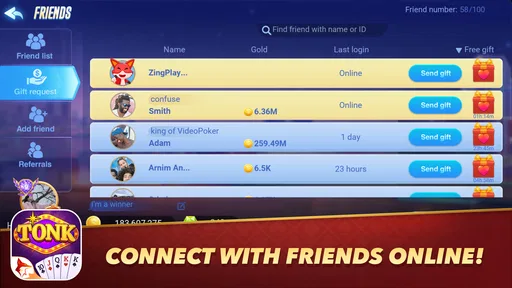
What sets this app apart are the little touches that enhance the user experience. For example, the chat function allows you to communicate with other players during the game. It’s a nice way to make it feel more social, almost like you’re sitting around a table with friends.
Another feature that’s worth mentioning is the daily rewards system. Logging in each day gives you bonuses, which is a neat way to keep you coming back for more. Plus, these rewards can sometimes give you a slight edge in your games, which I’m sure everyone appreciates.
Is It Worth Your Time?
If you’re someone who enjoys card games, then I’d definitely say give it a shot. It’s got that classic gameplay feel with modern features that keep it fresh and exciting. The app is free to download, with optional in-app purchases if you want to enhance your experience further.
Overall, it’s a fun app that can provide hours of entertainment. Whether you’re a seasoned pro at card games or a newbie looking to learn, there’s something here for everyone. The developers have done a fantastic job creating a game that’s both accessible and challenging in equal measure.
In a nutshell, if you’re looking for a new card game to dive into, Tonk - Classic Tunk ZingPlay is definitely worth checking out. Happy gaming!
Pros
- Engaging gameplay with classic Tunk rules.
- Smooth and intuitive user interface.
- Multiplayer mode enhances social interaction.
- Regular updates with new features.
- Compatible with both Android and iOS.
Cons
- In-app ads can be intrusive.
- Requires internet for multiplayer mode.
- Limited offline features.
- Occasional connectivity issues.
- Some in-app purchases are pricey.
FAQs for Tonk - Classic Tunk ZingPlay
What is Tonk - Classic Tunk ZingPlay, and how does it work?
Tonk - Classic Tunk ZingPlay is a digital rendition of the traditional card game Tonk, popular for its fast-paced gameplay and strategic depth. Players aim to form specific card combinations to win hands and accumulate points. The app offers both single-player and multiplayer modes, allowing users to enjoy the game at their own pace or compete with friends online.
Is Tonk - Classic Tunk ZingPlay free to download and play?
Yes, Tonk - Classic Tunk ZingPlay is free to download on both Android and iOS platforms. While the base game is free, it may offer in-app purchases for additional features, such as premium card decks, ad-free gameplay, or extra coins. Users can enjoy the core experience without any obligation to make purchases.
What are the system requirements for Tonk - Classic Tunk ZingPlay?
To run Tonk - Classic Tunk ZingPlay smoothly, your device should meet the minimum requirements. For Android, this generally includes a version of Android 5.0 or higher. For iOS users, the app requires iOS 10.0 or later. Ensure your device has adequate storage space and a stable internet connection for optimal performance.
Does Tonk - Classic Tunk ZingPlay offer a multiplayer mode?
Yes, Tonk - Classic Tunk ZingPlay features a robust multiplayer mode where players can compete against friends or other online players. This mode enhances the competitive aspect of the game, allowing users to test their skills and strategies against real opponents, making every game unique and challenging.
How does Tonk - Classic Tunk ZingPlay ensure fair play?
Tonk - Classic Tunk ZingPlay employs advanced algorithms and secure servers to ensure fair play and randomness in card dealing. The app is regularly updated to prevent cheating and maintain a balanced gaming environment. Users can report suspicious behavior, which the developers promptly investigate to uphold game integrity.


